

What is gum grafting?
Gum grafting is a local surgical procedure in which a sufficient amount of gum tissue is placed to cover the tooth suffering from gum recession. The transplanted gum tissue is usually harvested from the patient's hard palate area, or stretched from the area adjacent to the gum recession area. In recent years, new techniques and additional materials have been developed that serve as biological substitutes, which can be used as gum tissue materials, thereby avoiding taking the patient's own tissue and injuring an additional site in the patient's mouth. After a healing period of the treated area, the graft becomes an integral part of the gums.

When is it advisable to perform gum grafting?
- When the patient feels that their aesthetic appearance has been compromised as a result of gum recession.
- Sensitivity to cold/heat and temperature changes in the oral cavity that cause damage to the patient's quality of life.
- When there is severe progression of gum recession over the years, which may constitute a source of tooth mobility and tooth loss.
What happens after the treatment?
During the first two weeks after treatment, it is recommended to maintain a diet of soft and cool foods, and it is very important not to brush the area where the graft was performed and not to pass dental floss between the teeth in this area until complete healing. Pain relievers can be taken according to the doctor's instructions and according to the pain level. The type of gum graft and its depth affect the intensity of pain, and if the graft was performed with a biological substitute and no additional site was injured for tissue removal, the pain is expected to be minor. Sometimes, the doctor will provide a prescription for antibiotic treatment in order to reduce the risk of infection and inflammation.
General healing of the mouth is expected to occur about two weeks after the treatment. About eight weeks after surgery, the transplanted tissues mature and it is possible to determine with certainty how much tissue has been integrated. For treatment optimization, the doctor will at this stage perform an evaluation of the area where the graft was performed in order to examine whether there is a need for a complementary procedure.
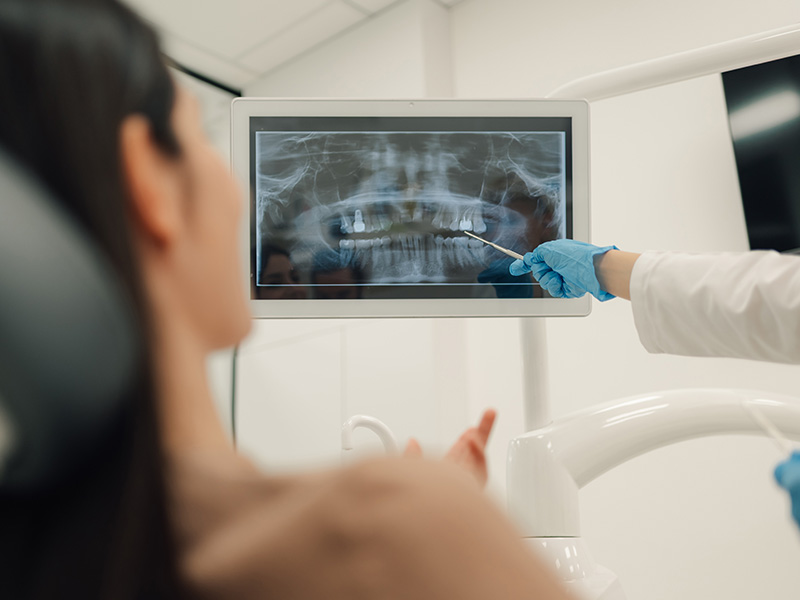
What is gum recession?
Gum recession, or "recession," is a slow and gradual process of exposing the tooth root to the oral cavity, and many times, especially in the early stages of the phenomenon, it goes unnoticed.
The first signs of the phenomenon include increased sensitivity to hot or cold foods and sometimes the appearance of cervical decay. When gum recession is caused as a result of gum disease, there will be damage to the tooth's attachment mechanism. In addition, this is a highly significant aesthetic defect, especially when it involves the area visible in the smile. One of the most effective treatments for the problem is gum grafting surgery.
What are the causes of gum recession?
How to choose the treating doctor?
Why is it advisable to have gum grafting performed by a gum disease specialist? Surgical treatment of gum recession is a treatment that requires high skill and professionalism. The beginning of treatment is identifying risk factors for gum recession and eliminating them. If gum recession has occurred, an examination by a gum disease specialist (periodontist) is recommended in order to check whether the case requires and allows treatment. The success rate of gum grafting surgery, as well as the risk of complications and improvement of oral hygiene in the long term, depend greatly on the quality, skill and experience of the doctor you choose. This is why it's important that you have all the necessary information to make an informed and well-founded decision. For information about gum recession, contact our dental clinic.